
Listen
A Catonese device or phone captures vocalizations, purring, breathing patterns, and surrounding audio.
The future of interspecies communication
Catonese is developing artificial intelligence software and proprietary devices designed to interpret feline vocalizations, behaviour, movement, and context, then communicate the result in the human language of your choice.
Concept demonstration. Catonese is under development and does not currently provide literal translation of animal thoughts.
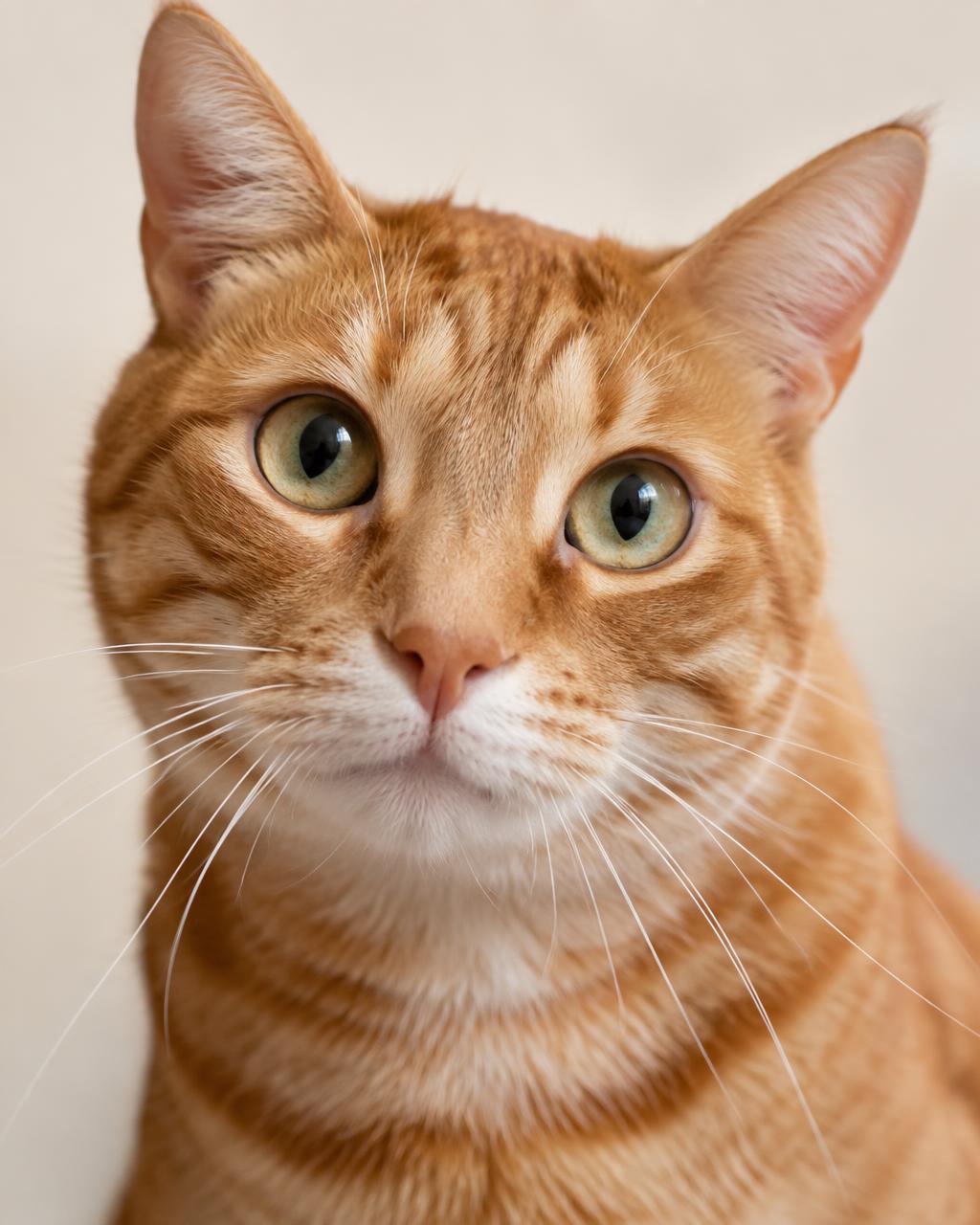
Meow detected
I would like the door opened.
Press the microphone or choose a sample vocalization. Catonese moves through its interpretation pipeline and speaks a likely meaning in your selected language.
Sample cat sounds
Interpretation
—
These are playful interpretations that demonstrate the intended experience, not verified translations.
Record or upload a short clip of your cat and Catonese will suggest the needs and context most likely behind the sound, with a confidence level for each.
Audio up to 8 MB. WAV, MP3, M4A, OGG or WEBM.
Catonese offers probabilistic interpretations for curiosity and care. It is not a translation, not a diagnosis, and never a replacement for a veterinarian.
Likely interpretation
Four steps from a vocalization to a sentence you understand.
A Catonese device or phone captures vocalizations, purring, breathing patterns, and surrounding audio.
With permission, the system considers posture, ear position, tail movement, facial expression, activity, time, and environmental context.
Catonese creates an individual communication profile because every cat has its own sounds, habits, preferences, and personality.
The system produces a likely interpretation, shows its confidence level, and can speak the result in the language selected by the user.
The Catonese development vision draws inspiration from advances across speech, vision, and bioacoustics research. Human speech translation alone cannot decode cats: Catonese requires species specific datasets, behavioural validation, and individualized learning.
Cats already produce sounds that people interpret as words and many cats learn to communicate through buttons, routines, gestures, and distinctive vocal patterns. These videos show why better tools for feline communication are so fascinating.
A classic example of people hearing familiar speech patterns in feline vocalizations.
Natural vocalization interpreted by humans · YouTube
Watch on YouTubeBilli became widely known for using recorded word buttons to communicate choices and requests.
Assisted communication using buttons · BilliSpeaks on YouTube
Watch on YouTubeOne of the internet’s best known examples of a cat vocalization that appears to resemble human speech.
Viral vocalization interpreted as English · YouTube
Watch on YouTubeThe same interpretation spoken in English, French, Spanish, Japanese, and Mandarin.
Catonese concept simulation · Branded placeholder
No existing video proves that cats understand or naturally speak a human language. The fun comes from sounds that resemble words, trained communication behaviours, and concept simulations.
Illustrative interpretations from concept sessions.
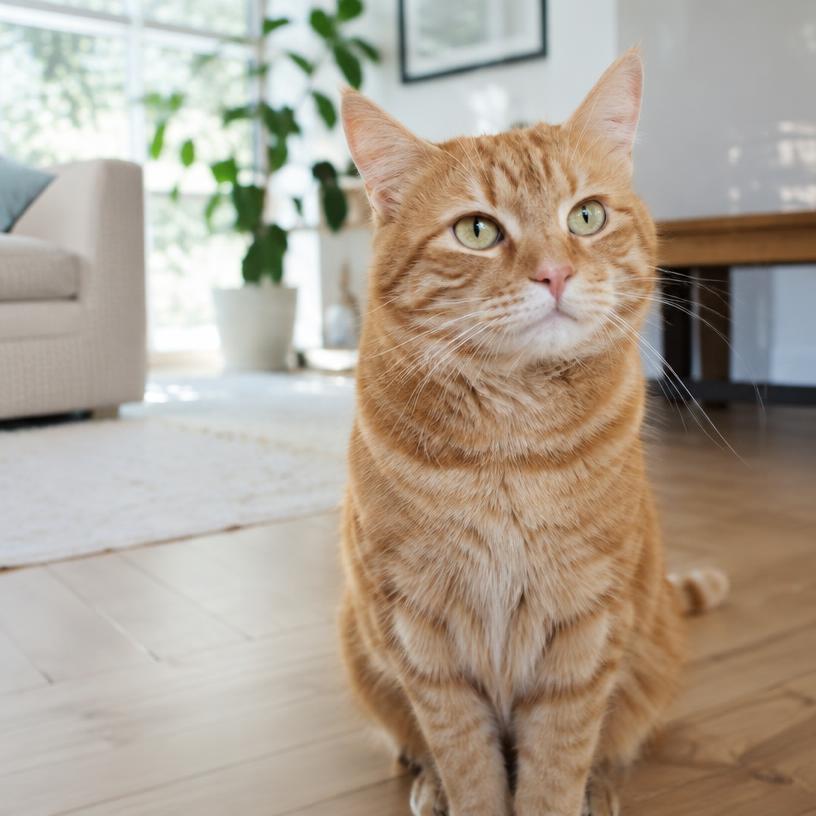
“Apparently I have not been yelling. I have been submitting urgent service requests.”
Milo · Orange tabby
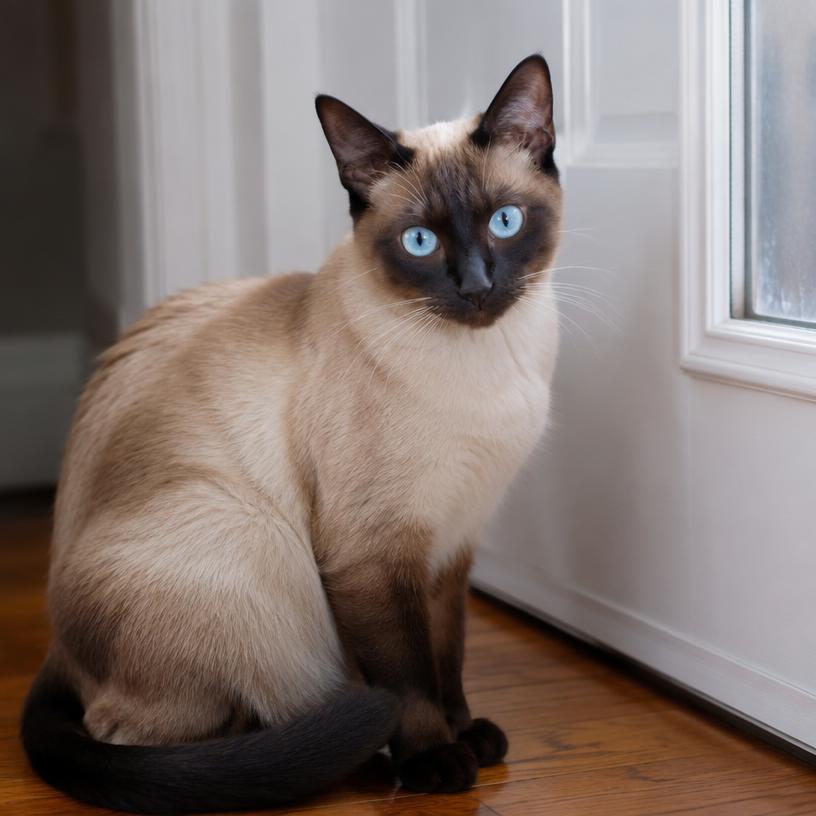
“My human finally understands that the closed bathroom door is unacceptable.”
Luna · Siamese
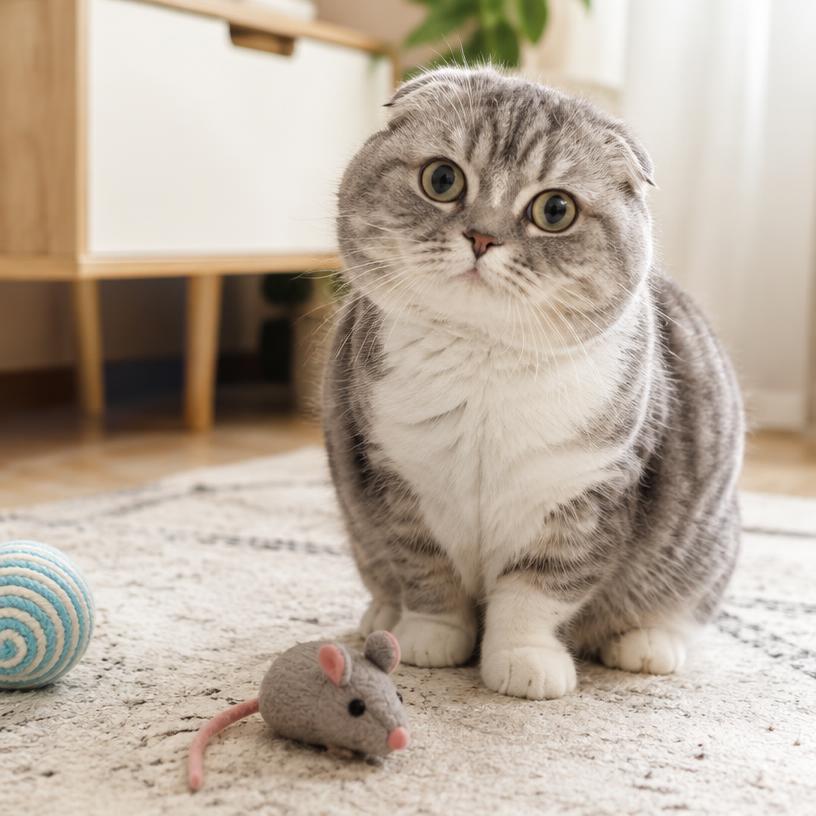
“I asked for the red toy. The blue one is completely different.”
Mochi · Scottish Fold
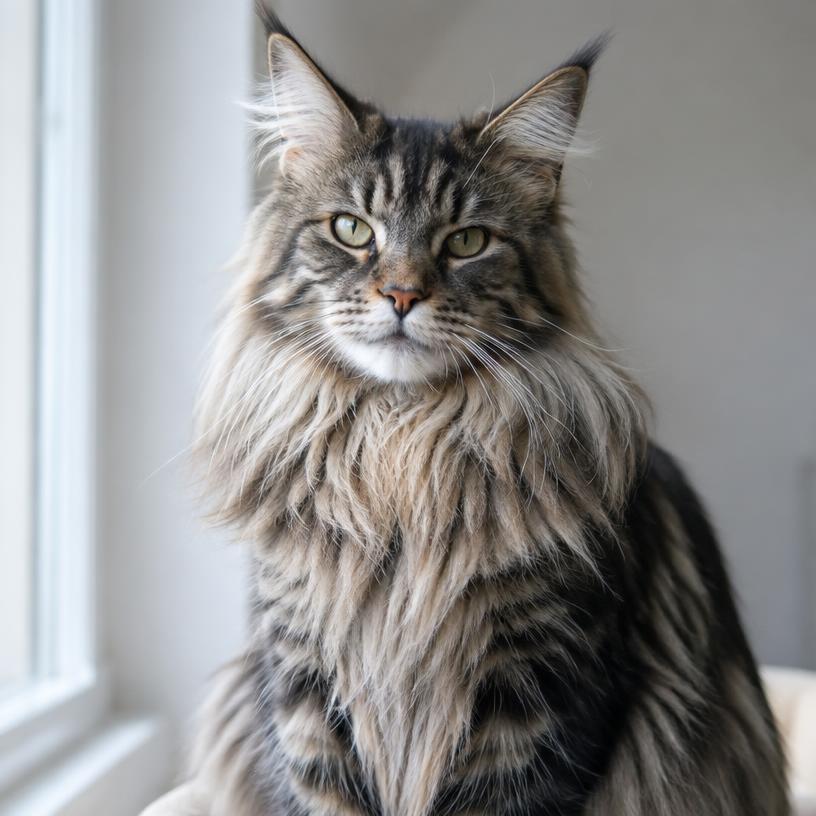
“I have reviewed the household schedule and recommend an earlier breakfast.”
Nala · Maine Coon
A mobile application that records vocalizations, builds an individual cat profile, stores interpretations, and speaks in the selected language.
Join the WaitlistA lightweight collar module with microphones, motion sensing, optional health signals, and local processing. Comfort, safety, privacy, battery life, and veterinary review are design priorities.
Join the WaitlistA stationary room device that can recognize participating cats, understand household context, and provide spoken translations.
Join the WaitlistA research platform for noninvasive analysis of vocalizations and behaviour in wild feline species, built for conservation groups, sanctuaries, universities, and field researchers.
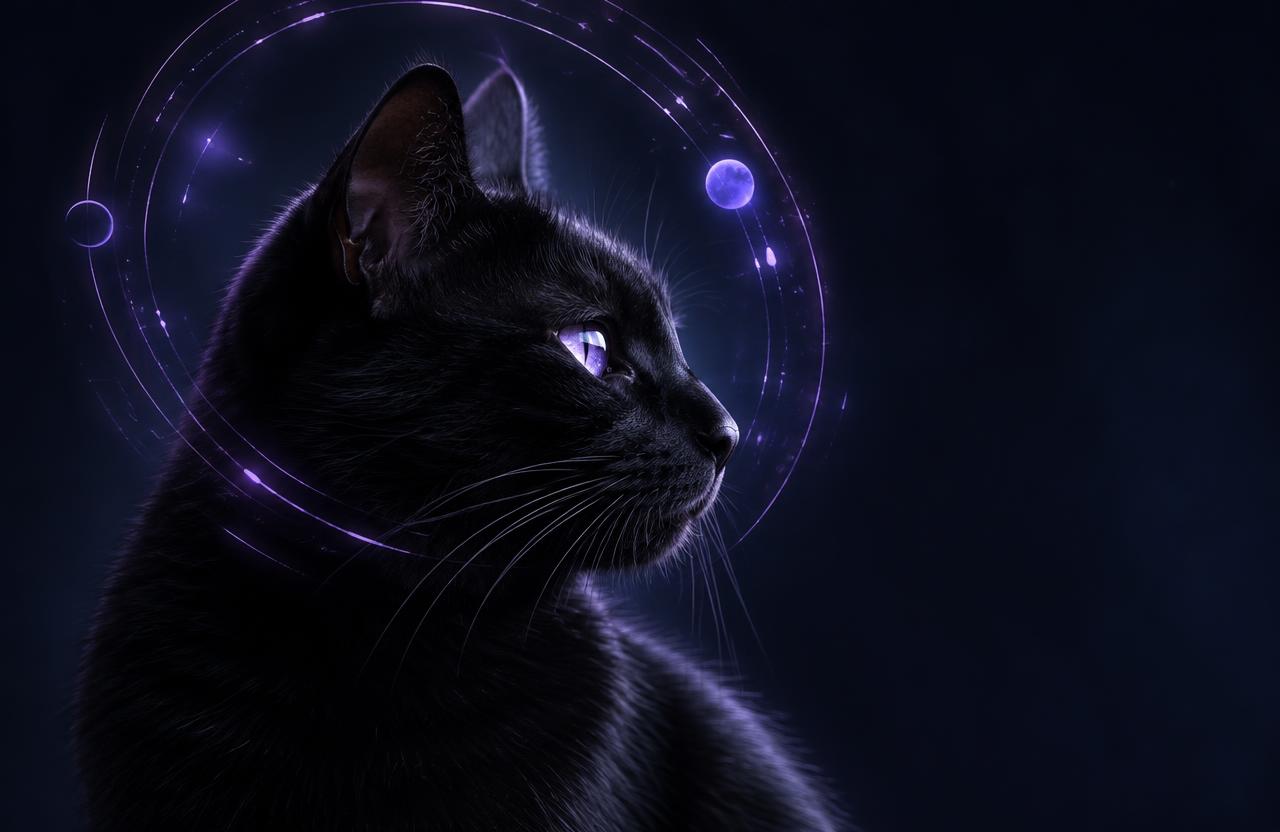
Join the WaitlistFuture advances in neural interfaces may eventually make it possible to identify richer patterns associated with animal intention, sensation, memory, or choice. Catonese is designed as a long term communication platform that could evolve alongside safe, ethical, veterinary approved brain interface technology.
Today, this remains speculative. Any future neural product would require extensive scientific validation, animal welfare oversight, informed human consent, veterinary supervision, strong privacy protection, and regulatory approval.
Stage one
Stage two
Stage three
Future concept demonstration
Cat thought pattern detected
I want to sit near you, but not be touched.
The principles that govern every Catonese decision.
The feline family communicates through calls, scent, posture, movement, facial signals, and social behaviour. Catonese Wild imagines tools that could help researchers organize and compare these signals without disturbing the animals producing them.
Catonese Wild is future conservation research for qualified organizations. Never approach, own, or interact directly with wild animals.



Join the Catonese community for research updates, product concepts, early demonstrations, and opportunities to help build the world’s most thoughtful feline communication dataset.
Catonese is an emerging concept under development. Current technology can help identify patterns and generate likely interpretations, but no system can scientifically provide a literal translation of a cat’s thoughts. Catonese will always distinguish observed data, probable meaning, playful interpretation, and future research.
No. Breed, age, health, environment, personality, and learned behaviour can all affect communication. Catonese is designed to learn an individual cat rather than rely entirely on universal definitions.
That is a central goal. Once the system identifies a likely intention, the result can be expressed through text or speech in the human language selected by the user.
No. Catonese must never replace veterinary care. It may eventually identify meaningful changes in behaviour or vocalization and suggest that the user consult a veterinarian.
Any physical product would require comfort testing, safety testing, veterinary review, and appropriate regulatory compliance before release.
Not in its initial products. Neural communication is presented as a long term research possibility. Any future work would require strong scientific evidence, animal welfare protection, veterinary oversight, and regulatory approval.